Nourish Your Body: The Core Concepts of Ancestral Eating and the Hidden Rewards of Organ Meats
Ancestral eating emphasizes the consumption of whole foods in their natural state that reflect the diets of ancient human populations. This approach underscores the frequently neglected benefits of organ meats, which are loaded with essential nutrients. By integrating these nutrition-dense options, individuals can elevate their general health. However, many still hold misconceptions about organ meats. Examining their nutritional benefits and practical applications might expose a transformative aspect of this dietary philosophy. What could that signify for modern eating habits?
Understanding Primal Food Consumption
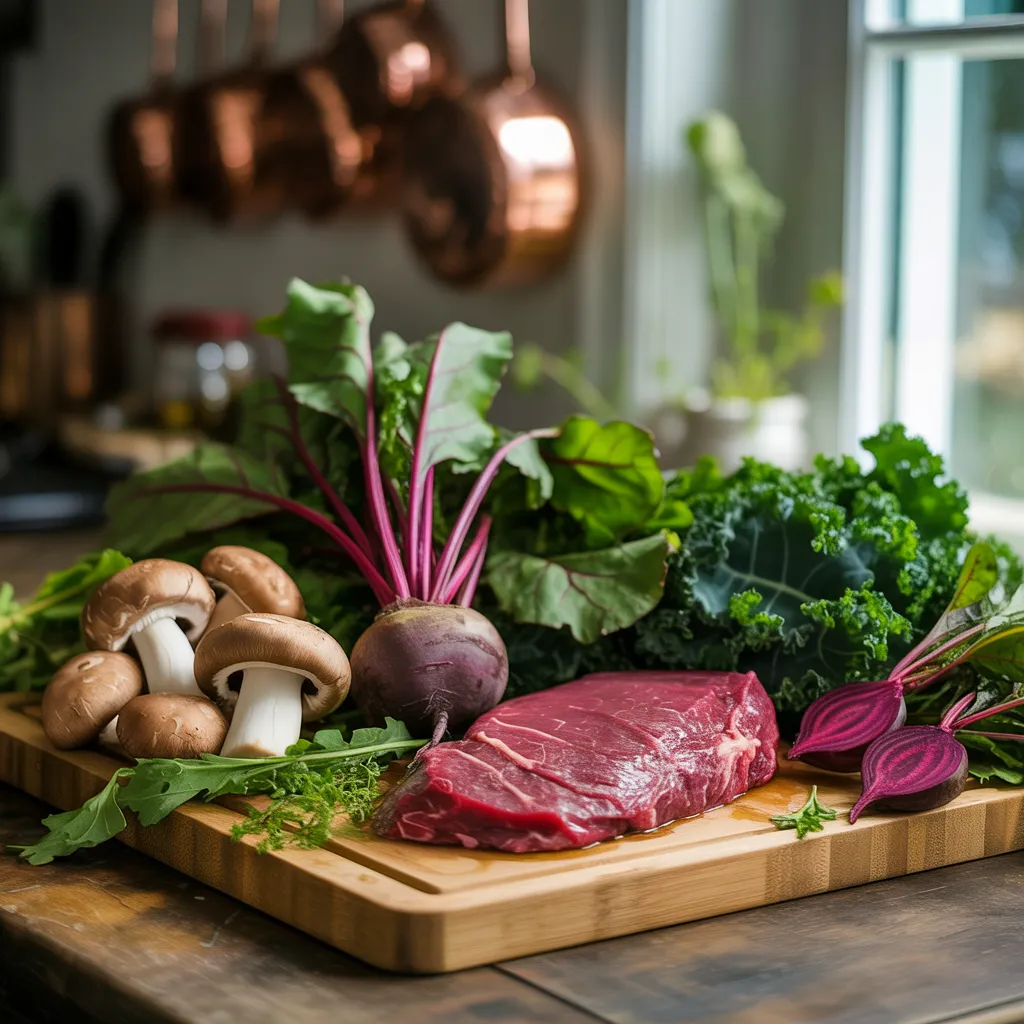
Ancestral eating, commonly marked by a return to traditional dietary practices, emphasizes the consumption of natural, unrefined foods that were fundamental to the diets of early human ancestors. This approach gives precedence to ingredients that are minimally altered from their natural state, including nuts, seeds, fruits, vegetables, fish, and grass-fed meats. Advocates contend that these foods correspond better to human evolutionary biology and dietary needs.
In this regard, ancestral eating prompts individuals to stay away from highly processed foods packed with artificial additives, sugars, and unhealthy fats. Instead, it advocates the idea of eating in sync with the seasons and sourcing local produce whenever possible. By embracing these principles, individuals may experience enhanced health outcomes, boosted energy levels, and a stronger connection to their food sources. Eventually, understanding ancestral eating is about appreciating the importance of nutrition rooted in history while fostering a environmentally conscious and health-conscious lifestyle.
The Health Value of Organ Meats
Often viewed as nutritional dynamos, organ meats deliver a plentiful source of essential vitamins and minerals that are commonly deficient in contemporary diets. They are particularly high in vitamin A, which promotes vision and immune function, and vitamin B12, critical for red blood cell formation and neurological health. Additionally, organ meats contain significant amounts of iron, zinc, and selenium, minerals that play important roles in metabolism and immune response.
These meats are also loaded with coenzyme Q10, which supports energy production and works as an antioxidant within the body. The substantial amounts of omega-3 fatty acids present in certain organ meats enhance heart health and minimize inflammation. Moreover, organ meats deliver a unique profile of amino acids, essential for muscle repair and overall bodily function. Emphasizing the inclusion of organ meats in a balanced diet can improve nutritional intake and encourage complete well-being.
Standard Types of Organ Meats and Their Benefits
Different kinds of organ meats offer distinct nutritional benefits, making them worthwhile additions to a nutritious diet. Liver, commonly regarded as a superfood, is high in vitamins A, B12, and iron, supporting energy production and immune function. Kidneys provide essential nutrients like vitamin B12 and are high in protein, promoting muscle health and overall recovery. Heart, a solid source of CoQ10 and omega-3 fatty acids, aids to cardiovascular health and elevates energy levels. Spleen, while less common, is packed with iron and can help address anemia. Furthermore, brain is a rich source of omega-3 fatty acids and phosphatidylcholine, essential for brain health and cognitive function. Integrating these organ meats into one's diet can boost nutrient intake and support multiple bodily functions, emphasizing the importance of diverse food sources in maintaining optimal health.
Strategies to Incorporate Organ Meats Into Your Diet
Integrating organ meats into a diet can commence with small portions to smooth the change. Using creative cooking approaches can improve their appeal, making them more palatable for those new with these foods. Moreover, pairing organ meats with common flavors can serve to bridge the gap between traditional preferences and new culinary experiences.
Start With Small Portions
Beginning with modest portions can facilitate the change into incorporating organ meats to one's diet. For those new to these nutrient-rich foods, commencing with conservative amounts permits incremental adaptation to their tastes and textures. Introducing organ meats, such as liver or heart, can start with just a few ounces, mixed into ground meat dishes or stews. This strategy assists individuals acclimate without overwhelming their palate. Moreover, pairing organ meats with well-known ingredients can improve overall acceptance. As familiarity levels increase, portion sizes can be adapted accordingly. This gradual introduction encourages a positive experience, encouraging individuals to explore the numerous nutritional benefits of organ meats while minimizing any initial aversion. Regularity over time can produce a more exploratory and healthful diet.
Innovative Culinary Techniques
Exploring creative cooking techniques can alter the perception of organ meats, making them not only palatable but also pleasant. Techniques such as combining liver into ground meat for burgers or meatballs can mask the flavor while retaining nutritional value. Moreover, marinating organ meats in tasty sauces can enhance their taste and softness. Slow-cooking methods, such as braising or stewing, permit for deeper flavors to develop, making dishes like heart stew or kidney pie more enticing. For those hesitant to cook organ meats, including them into familiar recipes can facilitate the adjustment. By utilizing these innovative methods, individuals can seamlessly introduce organ meats into their diets, enriching their meals with essential nutrients while broadening their culinary repertoire.
Pair With Well-Known Flavors
How might familiar flavors ease the shift to organ meats in a person's diet? By incorporating organ meats into familiar recipes, you can create a more appealing adjustment. For example, adding liver to a savory meatloaf or incorporating heart into a hearty stew allows the nutrient-dense organ meats to blend seamlessly with traditional flavors. Seasoning remains vital; herbs, spices, and sauces that you already enjoy can mask review now any strong tastes associated with organ meats. Furthermore, using ground organ meats in tacos or meatballs can provide a familiar texture and flavor profile, making the experience less intimidating. This strategic pairing not only enhances palatability but also encourages a gradual acceptance of organ meats, promoting their nutritional benefits within a familiar culinary context.
Breaking Down the Stigma: Transforming Perceptions of Organ Meats
While organ meats have long been ignored in contemporary diets, evolving perceptions are starting to revitalize their culinary reputation. Increasing interest in ancestral eating has triggered renewed curiosity about these nutrient-dense foods. Supporters highlight their abundant profiles of vitamins, minerals, and beneficial fats, presenting them as superfoods in a growing health-conscious community.
Online social platforms and food-focused websites have contributed substantially to changing perceptions about organ meats, featuring novel recipes that resonate with wide-ranging palates. Professional chefs and amateur cooks are both exploring organ meats, weaving them into traditional meals, which helps to normalize their consumption.
Moreover, the farm-to-table movement emphasizes transparency in sourcing, enabling consumers to trace the origins of their food. This shift is not only eliminating the stigma but also fostering a richer appreciation for the culinary heritage linked to organ meats.
Seasonal and Local Foods: Their Role in Ancestral Eating
Seasonal and local foods play a critical role in ancestral eating, providing multiple advantages such as superior nutritional value and support for local food sustainability. These foods are usually fresher, which can substantially enhance their flavor and health benefits. Focusing on seasonal eating not only connects individuals to their environment but also acknowledges traditional practices that have sustained communities for generations.
Perks of Seasonally-Focused Eating
Seasonal eating benefits have their foundation in traditional customs that stress the consumption of seasonal and locally-sourced foods. This approach corresponds to the natural cycles of the environment, ensuring that individuals get nutrients at their peak. Seasonal foods are typically fresher, more flavorful, and more nutrient-dense, as they are harvested at their ideal ripeness. Such practices also encourage biodiversity, as diverse crops are cultivated throughout the year, enhancing soil health and ecosystem stability. Moreover, eating seasonally can bring about cost savings, as local produce is often more affordable than out-of-season imports. Finally, embracing seasonal eating not only nourishes the body but also nurtures a deeper connection with the rhythms of nature, reflecting the wisdom of ancestral traditions.
Sustainable Local Food
Prioritizing local food sustainability supports the principles of seasonal eating, as both approaches prioritize the consumption of food that is cultivated and harvested in close proximity to where it is consumed. This method cultivates a more resilient food system by supporting local farmers and minimizing the carbon footprint associated with long-distance transportation. Furthermore, consuming local foods corresponds to ancestral eating practices, which often utilized regionally available ingredients. By opting for seasonal and local produce, individuals can savor the flavors and variety of their environment while contributing to biodiversity and soil health. Moreover, local food systems often foster ethical farming practices, maintaining the welfare of animals and the land, ultimately creating a more sustainable and nourishing dietary approach.
Nutrition Content of Freshness
Locally obtained fresh foods play a fundamental role in ancestral nutrition, providing superior nutritional value versus their off-season equivalents. The closeness of these foods to consumers ensures maximum freshness, which results in elevated flavor and nutrient density. Seasonal produce is typically harvested at optimal ripeness, enabling higher levels of vitamins, minerals, and antioxidants. Moreover, local sourcing fosters biodiversity, as diverse crops are grown in accordance with regional climates. This diversity not only strengthens the local ecosystem but also delivers a wider range of nutrients necessary for a balanced diet. Emphasizing seasonal foods aligns with ancestral practices, revealing a connection to the land and the natural rhythms of food availability, eventually improving the eating experience.
Recipes to Get Started With Organ Meats
Investigating organ meats can be an enriching culinary adventure, providing intense flavors and many health perks. For those new to this ingredient, starting with liver pâté is an outstanding choice. This dish merges sautéed onions, garlic, and spices with cooked liver, mixing until smooth for a spreadable treat. Another approachable recipe is heart stew, where diced heart is simmered with vegetables, herbs, and broth, offering a substantial meal.
As a speedy choice, attempt cooking kidney with onions and mushrooms, enhanced with herbs, for a flavorful side dish. Moreover, preparing bone broth using bones and marrow can provide a wholesome base for soups, enhancing overall nutrition.
These culinary creations not only bring organ meats into the diet but also highlight their versatility, making them enjoyable for both veteran home cooks and beginners alike. Incorporating organ meats can foster a greater appreciation of time-honored culinary practices and their nutritional advantages.
Questions & Answers
Do Organ Meats Come With Any Associated Risks?
There are indeed risks linked to consuming organ meats. Such risks include contact with toxins, increased cholesterol, and potential allergy triggers. It's essential to practice moderation and source from reputable providers to mitigate these health concerns.
How Do Organ Meats Stack Up Against Muscle Meats Nutritionally?
Offal typically contains increased quantities of nutrients and minerals when compared with muscle meats, delivering important nutrients like vitamin A, iron, and B vitamins. This concentrated nutrition makes them an important addition to a well-rounded diet.
Should Organ Meats Be Eaten Raw or Must They Be Cooked?
Organ meats can be consumed raw, however heating them is usually suggested to destroy potential pathogens and improve digestibility. People ought to evaluate their own health and the origin of the meat before deciding on raw consumption.
Are There Particular Organ Meats for Various Health Goals?
Specific organ meats serve specific health purposes; for instance, liver promotes detoxification and vitamin A absorption, while heart is high in CoQ10 for cardiovascular function. Kidneys offer nutrients valuable for kidney function and overall health.
How Can I Choose High-Quality Organ Meats during Store Visits?
To select high-quality organ meats, you'll want to look for vivid, fresh hues, subtle scents, and firm textures. Moreover, obtaining from reputable vendors that follow ethical farming can guarantee outstanding quality and nutritional value.